Before we talk about products, we need to talk about ecosystems. The scalp isn't just the base from which hair grows: it's living skin, home to an enormous community of microorganisms that work quietly for (or against) its balance. This invisible universe is the scalp microbiome: the collection of bacteria, fungi, and other microorganisms that live on the skin of our skull, along with the genes and molecules they produce. When it's balanced, it helps maintain the skin barrier, modulate inflammation, and protect the skin from external aggressors. When it's disrupted, itching, flaking, excess oil, or sensitivity can follow.
That's why at Miriam Quevedo we've spent years treating the scalp with the same scientific precision as facial skin, and the microbiome is one of the key variables in that approach. In this article, we explain what it is, why it becomes unbalanced, how to recognize the signs, and which routine respects it.
What Is the Scalp Microbiome and What Is It Made Of?
The scalp is one of the areas of skin with the highest density of follicles and sebaceous glands. That abundance of sebum creates a lipid-rich environment that favors the microorganisms able to feed on it³. Genetic sequencing studies show that the scalp community is dominated by two bacterial genera, Cutibacterium (formerly Propionibacterium) and Staphylococcus, and by one fungus, Malassezia¹ ².
You'll often hear the terms microbiota and microbiome used interchangeably. Strictly speaking, the microbiota is the microorganisms themselves, while the microbiome also includes their genes, their metabolites, and the environment they live in. In hair care, the two terms are used almost as synonyms.
What is it for? A healthy microbiome helps to:
• Strengthen the skin barrier and maintain scalp comfort.
• Compete with opportunistic microorganisms, making it harder for them to proliferate.
• Communicate with the skin's immune system, helping regulate the inflammatory response³.
What Does a Balanced Scalp Microbiome Look Like?
Balance doesn't mean the absence of microorganisms. It means diversity and the right proportions. In fact, Malassezia is a normal resident of healthy skin: the problem isn't its presence, but that it grows out of control or changes its relationship with neighboring bacteria.
One study of a French population found that scalps with dandruff had more Malassezia restricta and Staphylococcus epidermidis, and less Cutibacterium acnes, than scalps without dandruff¹. Later research also describes a higher ratio of Staphylococcus to Cutibacterium on scalps with dandruff². This shift in proportions is called dysbiosis, and it is the starting point for many of the most common scalp concerns.
Why Does the Scalp Microbiome Become Unbalanced?
The microbiome isn't static: it responds to what happens in the skin and to what we apply to it. These are the most common triggers.
Internal factors
• Excess or altered sebum. Sebum is food for Malassezia, which metabolizes it and releases fatty acids that can irritate and weaken the skin barrier⁵. Genetics, hormones, and age all change how much sebum is produced.
• A weakened skin barrier. A sensitive scalp often has a higher pH, a more fragile barrier, more sebum, and an altered microbiota⁴.
• Chronic stress. Sustained cortisol spikes stimulate the sebaceous glands and can disrupt the skin's microbial balance.
External factors
• Improper cleansing. Harsh sulfate shampoos and very hot water strip away the protective hydrolipidic film and can trigger a rebound of oiliness. At the other extreme, washing too little or rinsing poorly lets oxidized sebum, dead cells, and product residue build up.
• Pollution and hard water. Urban particles generate oxidative stress, and excess calcium and magnesium can alter the scalp's pH.
• Sun, heat, and moisture. Sweat, solar radiation, and leaving the scalp damp after washing all change the environment the microorganisms live in.
• Styling products and heavy oils applied at the roots, which build up and feed lipid-loving microorganisms.
Signs That Your Scalp Microbiome Is Out of Balance
There's no single sign, but these clues often show up together:
• Persistent itching or a stinging sensation with no apparent cause.
• Flaking: small, dry flakes usually point to dryness, while larger, greasy, yellowish flakes suggest dandruff or seborrheic dermatitis.
• Roots that get oily in less than 24 to 48 hours, or an oily scalp with odor.
• Redness, tightness, or reactivity to changes in shampoo, hot water, or seasons.
• Dull, flat hair despite a good care routine.
If symptoms are intense, persist, or come with red patches, see a dermatologist. To find your starting point, begin with our guide to scalp types or take the online hair diagnostic. For more on specific concerns like itching and flaking, browse our Scalp category, and if you suspect seborrheic dermatitis, read our guide to scalp seborrheic dermatitis.
How to Care for Your Scalp Microbiome: A 5-Step Routine
The goal isn't to sterilize the scalp. It's to cleanse without aggression and keep the environment favorable for its beneficial microorganisms.
1. Cleanse gently. Choose a shampoo without harsh sulfates, formulated with mild surfactants, and wash with lukewarm water using a circular massage that stimulates microcirculation without friction. The Glacial White Caviar Hydra-Pure Shampoo is formulated for sensitive, reactive scalps: it cleanses with oat amino acid–derived surfactants and contains no sulfates, parabens, or mineral oils.
2. Exfoliate with care. Oxidized sebum, dead cells, and product residue create the ideal breeding ground for imbalance. A weekly exfoliation before shampooing frees the follicle without harming the barrier. The Extreme Caviar Exfoliating Scrub Scalp Mask combines 2% encapsulated, botanically derived salicylic acid, caffeine, and glucolactone. If your skin is very sensitive, space out the ritual.
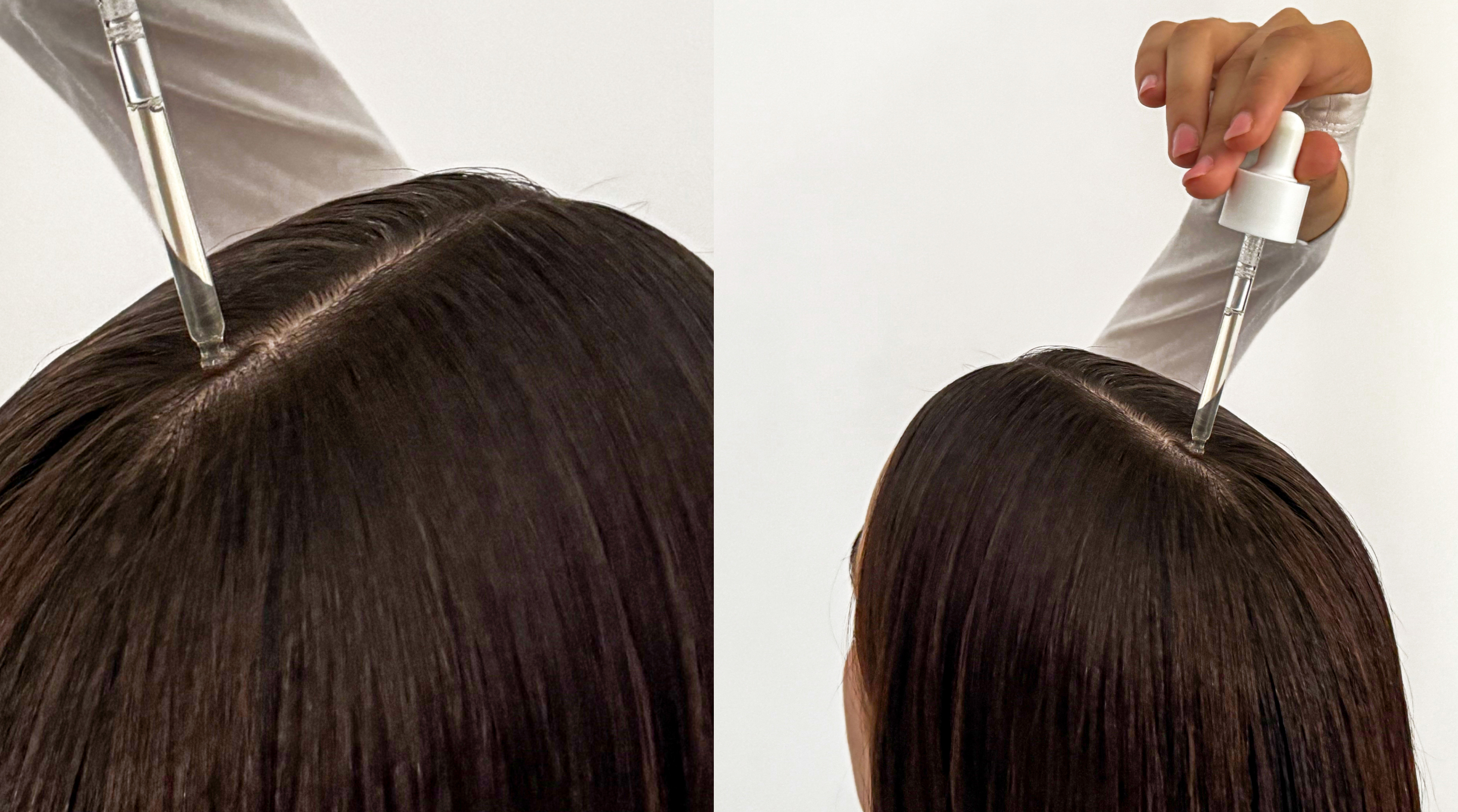
3. Apply a targeted treatment. Once cleansed, the scalp is ready for concentrates aimed at your specific concern (oiliness, sensitivity, flaking). Discover the treasures in the Scalp Longevity collection.
4. Hydrate and protect the barrier. An intact barrier is the best ally of a stable microbiome. Adapt your routine to the season: heat and sun exposure change sebum production and sensitivity.
5. Mind your habits. Dry your scalp well after washing, avoid scratching, manage stress, and favor a diet rich in antioxidants and omega-3s.
One reminder about timing: changes in the scalp's ecosystem aren't immediate. Consistency over several weeks is what locks in results.
What to Avoid to Keep From Disrupting the Scalp Microbiome
• Shampoos with harsh sulfates or irritating fragrances, which strip the barrier.
• Very hot water, which stimulates sebum and removes the hydrolipidic film.
• Heavy oils applied directly to the scalp. They belong on the lengths, not at the roots.
• Excessive or overly abrasive exfoliation.
• Unproven home remedies (lemon, baking soda, undiluted vinegar), which can alter pH and the barrier.
• Leaving the scalp damp for long periods after washing.
Science and Biotechnology as Allies of the Microbiome
Since our beginnings, Miriam Quevedo has combined precious ingredients with advanced biotechnology to treat the scalp with the precision of a facial dermocosmetic. It isn't just about cleansing or fragrance: it's about working on sebum, pH, the skin barrier, and the microbiota, the variables that the evidence points to as decisive for scalp health¹ ⁴ ⁵. Always starting from the scalp, not just the fiber, is what has made us a pioneering brand in hair care.
Frequently Asked Questions About the Scalp Microbiome
What's the difference between scalp microbiota and scalp microbiome?
The microbiota is the microorganisms that live on the scalp (bacteria, fungi, and others). The microbiome also includes their genes, the molecules they produce, and the environment they live in. In hair care, the two terms are often used as synonyms.
How do I know if my scalp microbiome is out of balance?
The most common signs are persistent itching, flaking, excess oil, redness, or frequent sensitivity. These aren't exclusive to dysbiosis, so if they persist, it's worth seeing a dermatologist to confirm the cause.
Does washing your hair every day damage the scalp microbiome?
It depends more on how you wash than on how often. A gentle shampoo, lukewarm water, and a thorough rinse don't have to disrupt the microbiome, while harsh sulfates and very hot water can weaken the barrier. If your scalp is oily, frequent washing may even be necessary to prevent sebum buildup.
Are dandruff and seborrheic dermatitis related to the microbiome?
Yes. Both are associated with an imbalance between fungi and bacteria, with a higher presence of Malassezia and shifts in the proportions of Staphylococcus and Cutibacterium¹ ². Excess sebum and individual sensitivity also play a role. You can go deeper in our guide to seborrheic dermatitis.
Can an unbalanced microbiome cause hair loss?
There is currently no conclusive evidence of a direct causal link. However, inflammation, itching, and a compromised barrier create an unfavorable environment for the follicle. If you notice shedding beyond what's normal for you, a dermatologist can identify the real cause.
What's the best shampoo for caring for the scalp microbiome?
One that cleanses effectively without stripping: formulas without harsh sulfates, with mild surfactants, an appropriate pH, and tailored to your scalp type. If your scalp is sensitive, see our guide to choosing a sensitive scalp shampoo.
Do probiotics and prebiotics work for the scalp?
They're an active area of cosmetic research, but scalp-specific evidence is still developing. Either way, their role is to support a routine of cleansing, exfoliation, and barrier protection, not to replace it.
How long does it take for the scalp to recover its balance?
It varies with your starting point and the cause of the imbalance. As a general guide, changes take several weeks of consistent routine. If you don't see improvement or symptoms get worse, see a specialist.
Sources
1. Clavaud, C. et al. Dandruff Is Associated with Disequilibrium in the Proportion of the Major Bacterial and Fungal Populations Colonizing the Scalp. PLoS ONE, 2013.
2. Grimshaw, S. G. et al. The diversity and abundance of fungi and bacteria on the healthy and dandruff affected human scalp. PLoS ONE, 2019.
3. Byrd, A. L., Belkaid, Y. & Segre, J. A. The human skin microbiome. Nature Reviews Microbiology, 2018.
4. Ma, L. et al. Sensitive scalp is associated with excessive sebum and perturbed microbiome. Journal of Cosmetic Dermatology, 2019.
5. Ro, B. I. & Dawson, T. L. The Role of Sebaceous Gland Activity and Scalp Microfloral Metabolism in the Etiology of Seborrheic Dermatitis and Dandruff. Journal of Investigative Dermatology Symposium Proceedings, 2005.
Browse all articles in the Scalp category.