




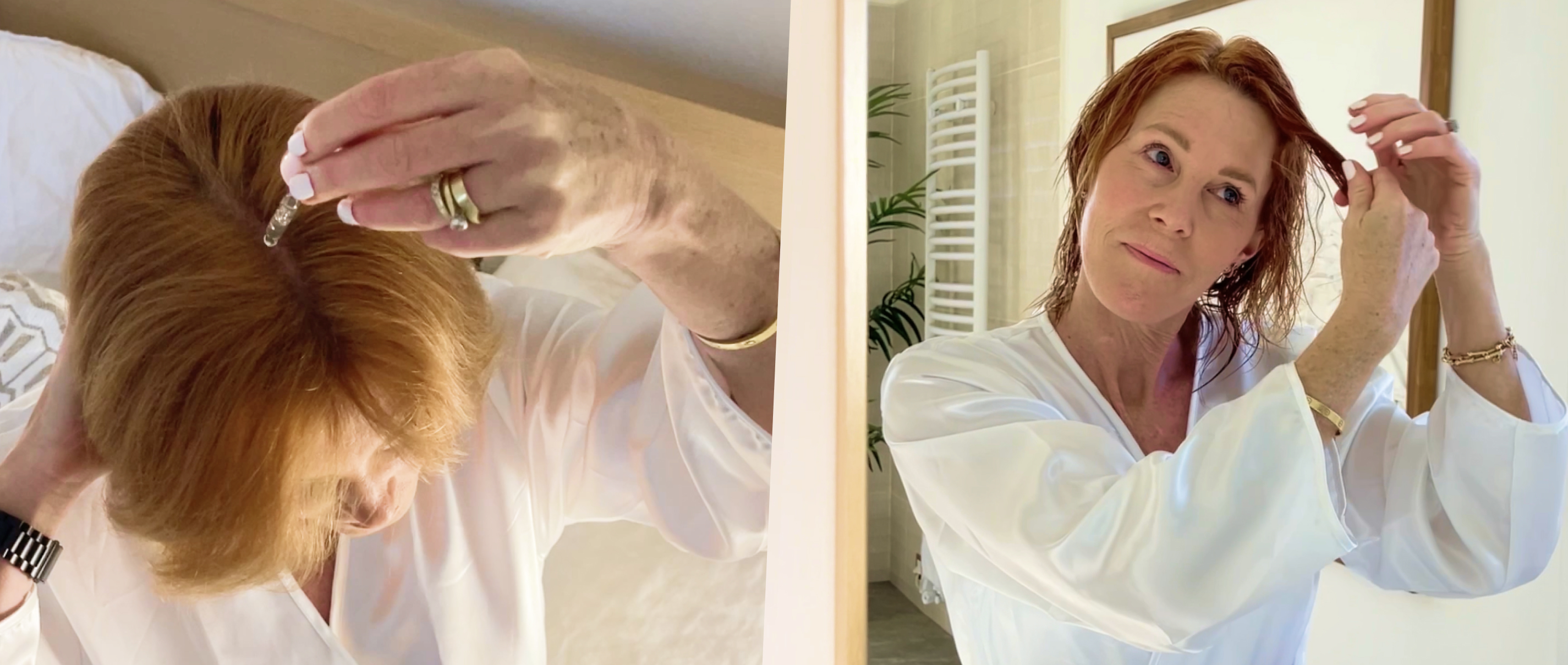
MENOPAUSE AND HAIR
the silent hair shedding of menopause
Suddenly you're sleeping worse, you feel more tired, your skin has changed and your hair no longer has the volume it used to. Many of us put it down to stress or age, when in fact it may be part of menopause.
Menopause isn't just the end of menstruation. It's a biological transition in which the production of oestrogen and progesterone gradually declines. These changes can begin up to 10 years earlier, during perimenopause, which is why many women notice changes without yet linking them to this stage.
YOUR BIOLOGICAL CLOCK CHANGES TOO
hormonal changes
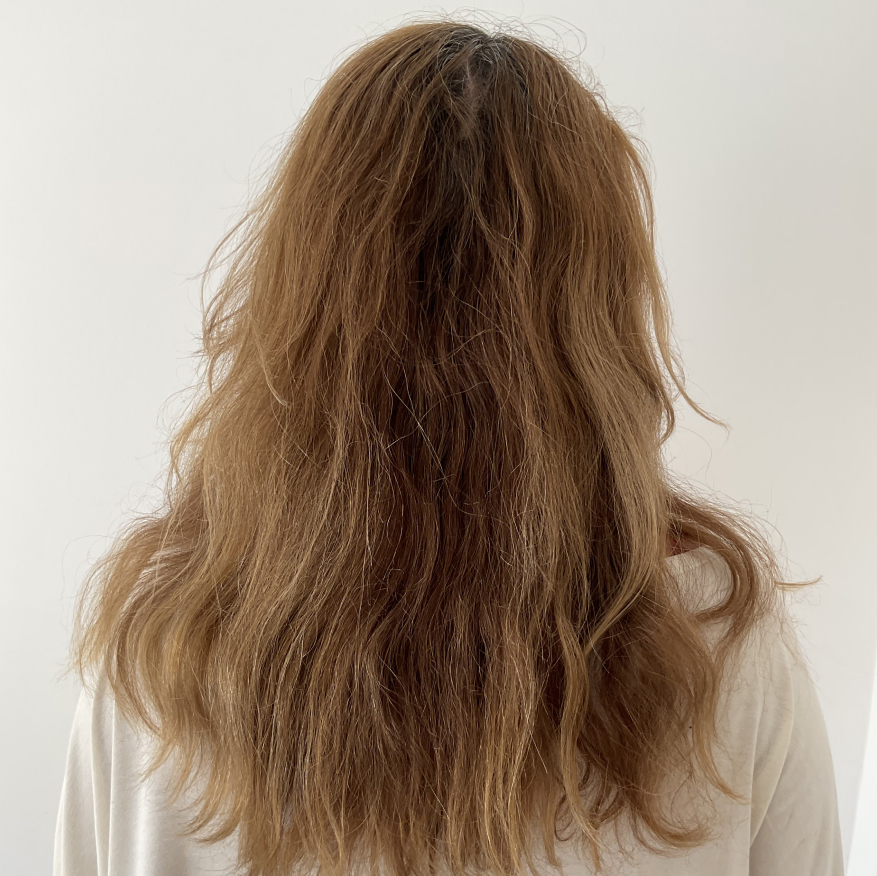
During menopause, a true hormonal reorganization takes place: oestrogen and progesterone levels decline, and the skin and hair follicle respond visibly.
- Sleep disturbances or waking up during the night
- Circadian rhythms fall out of sync
- The repair and regeneration processes that care for the scalp are also disrupted
- Finer hair with less body and density
- Thinner, drier or less elastic skin
- Increase in abdominal fat
THE EFFECTS ON YOUR HAIR AND FOLLICLES
follicle changes
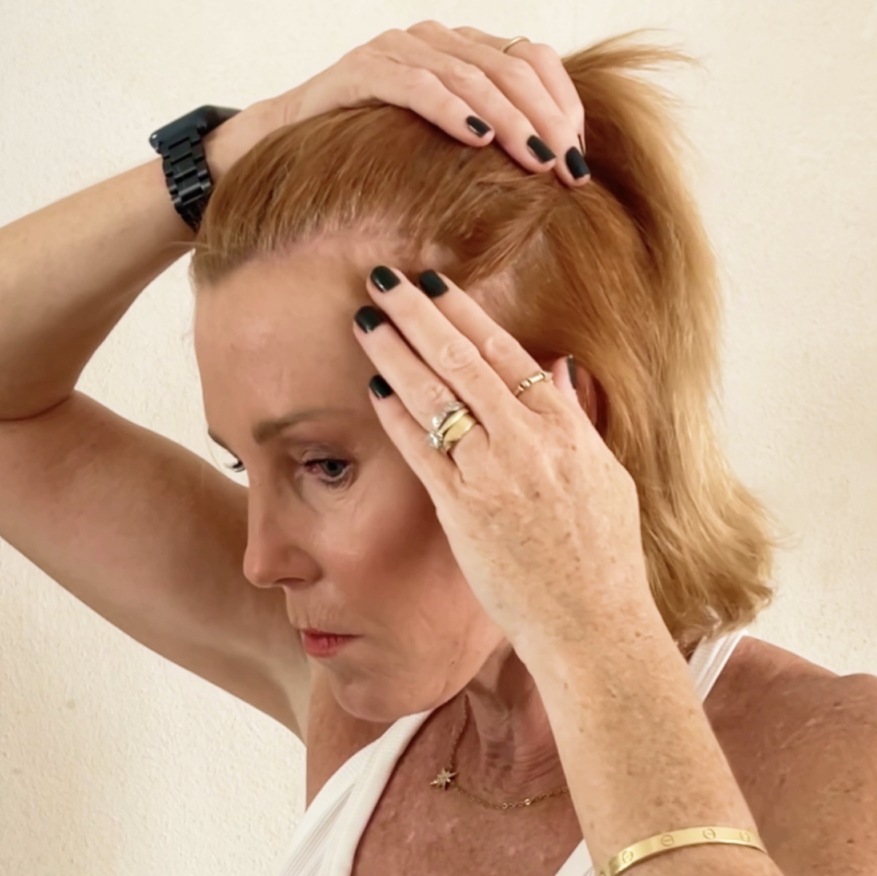
The follicle is a tissue that is highly sensitive to oestrogen. When oestrogen levels decline, there isn't always dramatic shedding, but rather a gradual loss of density.
- The growth phase becomes shorter
- More hairs enter the resting phase
- The follicle produces finer fibres
- Hair diameter decreases
- Volume and visible density are lost
discover how to combat the signs of menopause
Because caring for your hair also means supporting the changes that come with every stage of life.
-
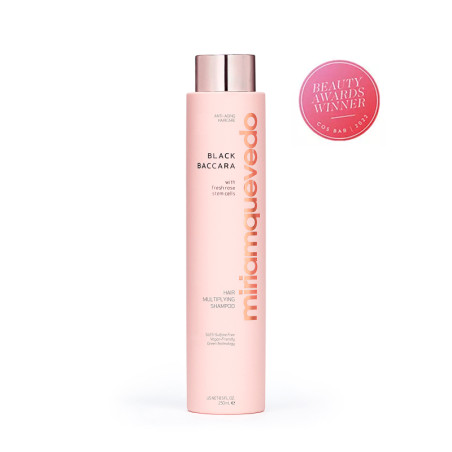
Hair Multiplying Shampoo
Vegan shampoo to restore hair health, boost for growth and repair damage
$55.00 · 250 mL -
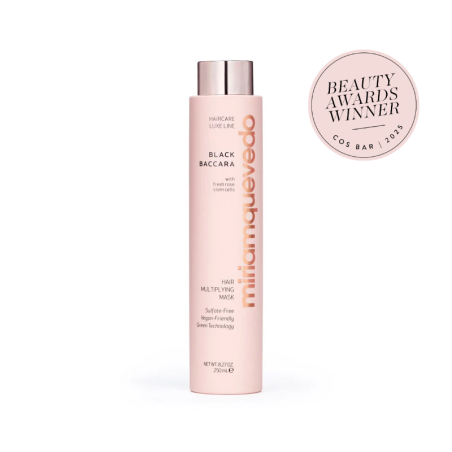
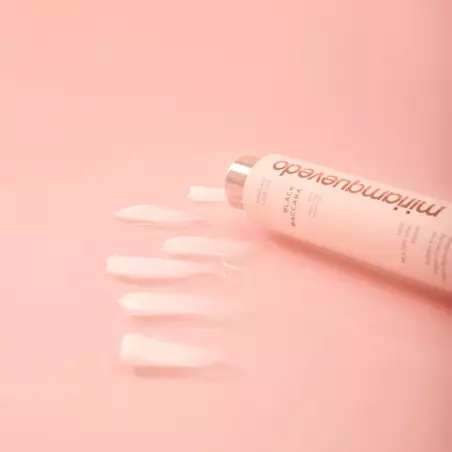
Hair Multiplying Mask
Get stronger, fuller hair with our vegan hair mask to revert fiber damage
$70.00 · 250 mL -
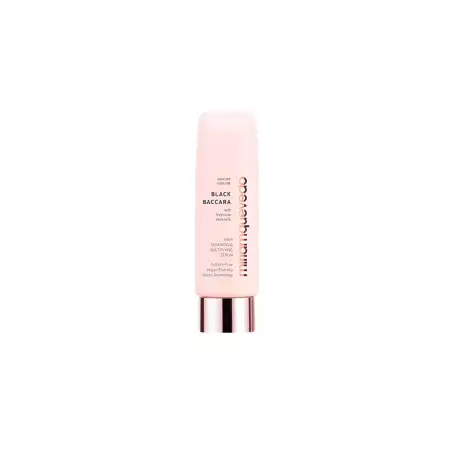
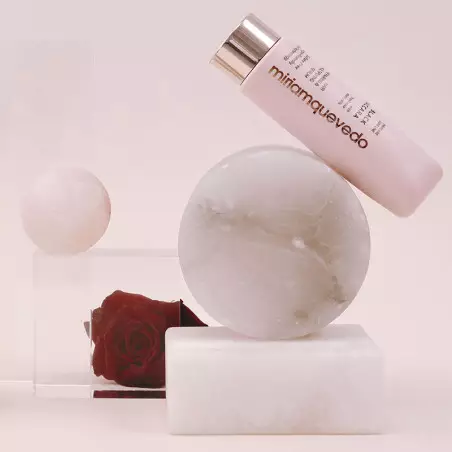
Hair Repairing & Multiplying Serum
Strengthening vegan hair serum that repairs broken bonds and reverses fiber damage
$65.00 · 100 mL -
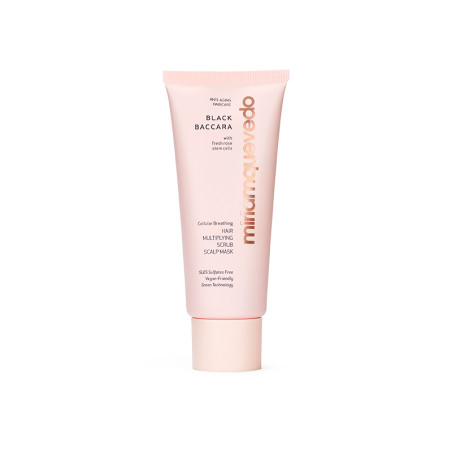
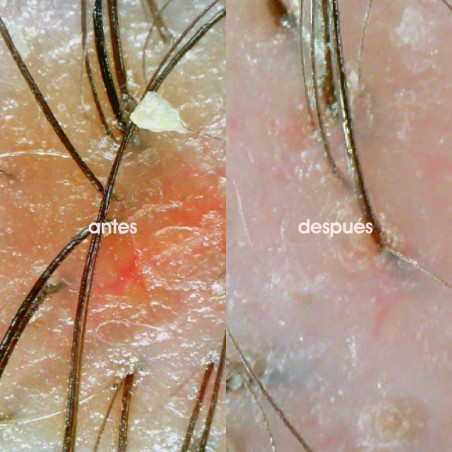
Cellular Breathing Hair Multiplying Scrub Scalp Mask
Detoxifying hair scrub with Pink Clay that promotes healthy hair growth
$120.00 · 200 mL -
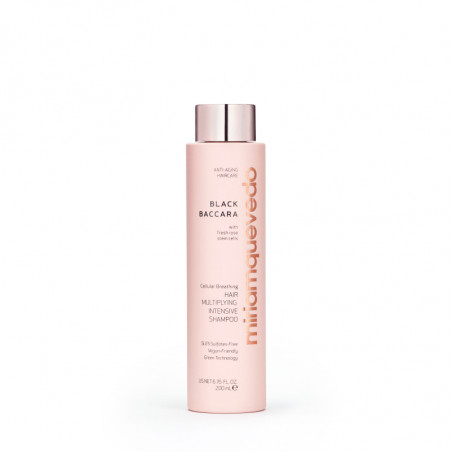
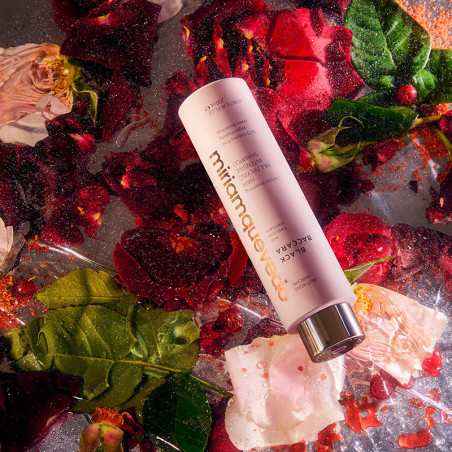
Cellular Breathing Hair Multiplying Intensive Shampoo
Ultra-intensive desnifying vegan shampoo to stimulate hair density
$70.00 · 200 mL -
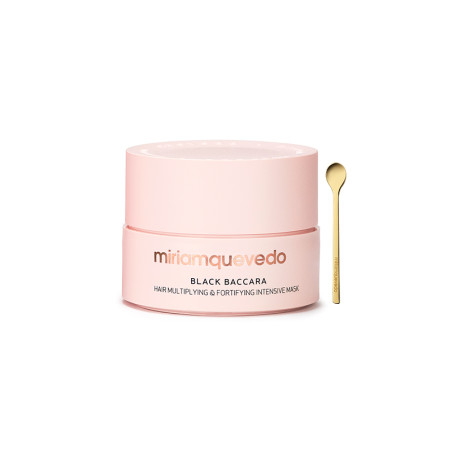
Hair Multiplying & Fortifying Intensive Mask
Densifying hair growth mask for over-processed hair
$170.00 · 200 mL -
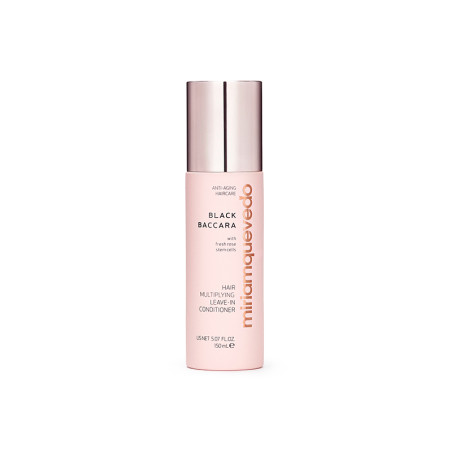
Hair Multiplying Leave-In Conditioner
Vegan leave-in conditioner to soften, detangle and reduce breakage
$65.00 · 150 mL -
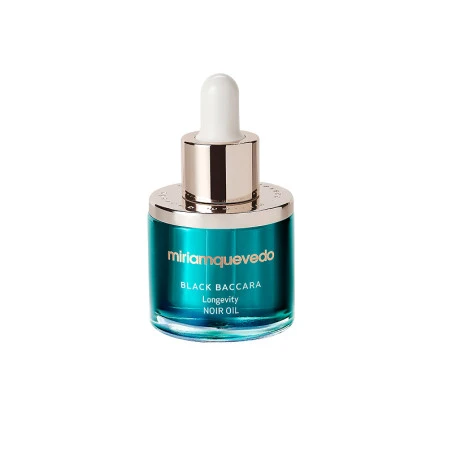
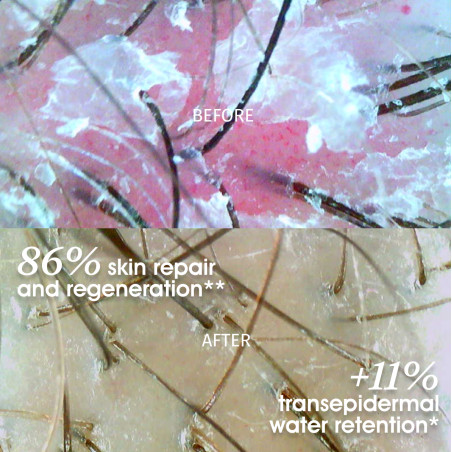
Longevity Noir Oil
Global anti-aging treatment in a dry oil that works on the skin, the scalp and the hair fiber. It repairs, regenerates and rejuvenates, providing firmness, elasticity and radiance.
$110.00 · 30 mL -
-
NEW
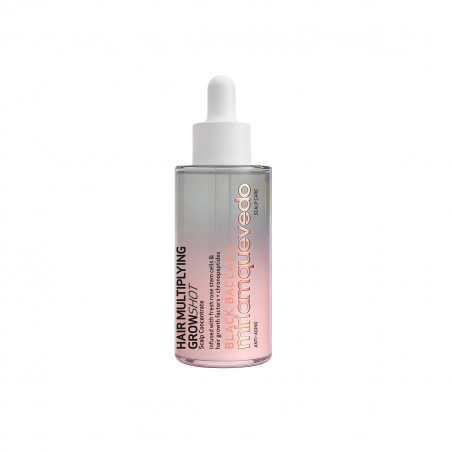
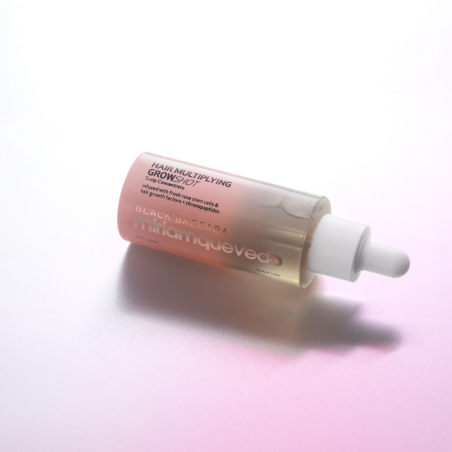
Hair Multiplying Growshot Scalp Concentrate
Anti-aging concentrate that counteracts hormonal and genetic hair shedding and multiplies hair thickness.
$130.00 · 50 mL -